

X1/9 Model Series
Australia received four distinct series of the X1/9. Here's a detailed guide to the differences between each model.
In Australia, we have four different types of X1/9. Below are the main differences between these models, with details unique to the Australian market that you won't find anywhere else.
Series 1 — The Series Special (1978)
The 1978 Series Special was the first X1/9 officially imported into Australia. These were available in only three colours: Metallic Blue, Metallic Green, and Metallic Orange. They featured colour-coordinated interiors with deck chair-striped fabric.
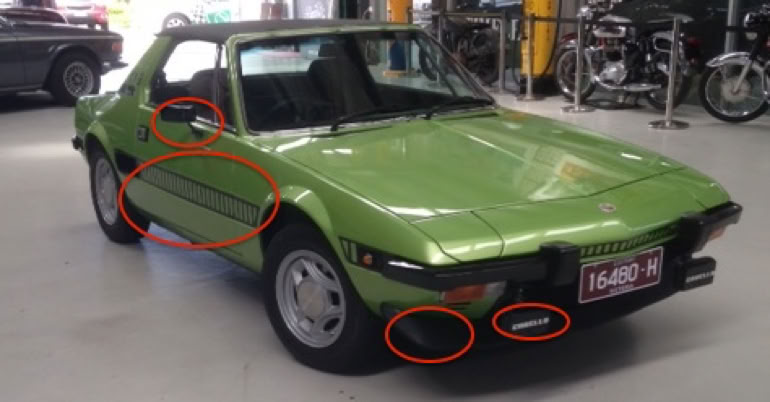
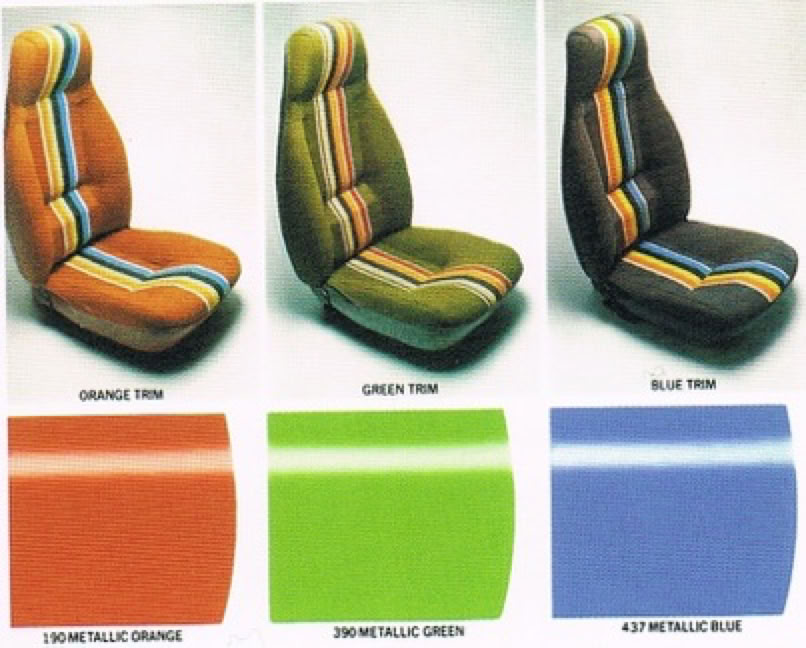
The Series Special stood out for its unique features: ladder markings on the side, an X1-9 logo on the side pillar, a full black front rubber spoiler, and black mirrors (not chrome).
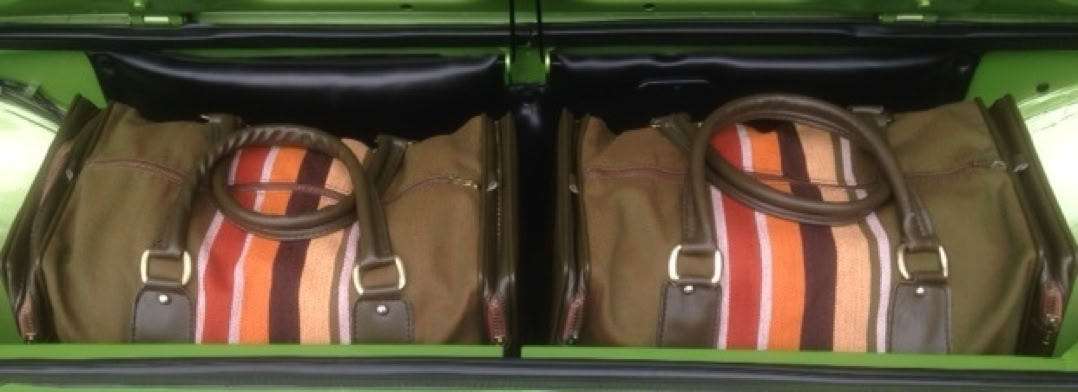
The Series Special was supposed to come with Carello fog lamps and matching luggage. However, the fog lamps didn't pass the Australian Design Rules (ADR) as they were yellow — though you could purchase them as an optional extra with clear lenses. The luggage had already been discontinued by the time we received our first delivery in May 1978.
The Numbered Stickers
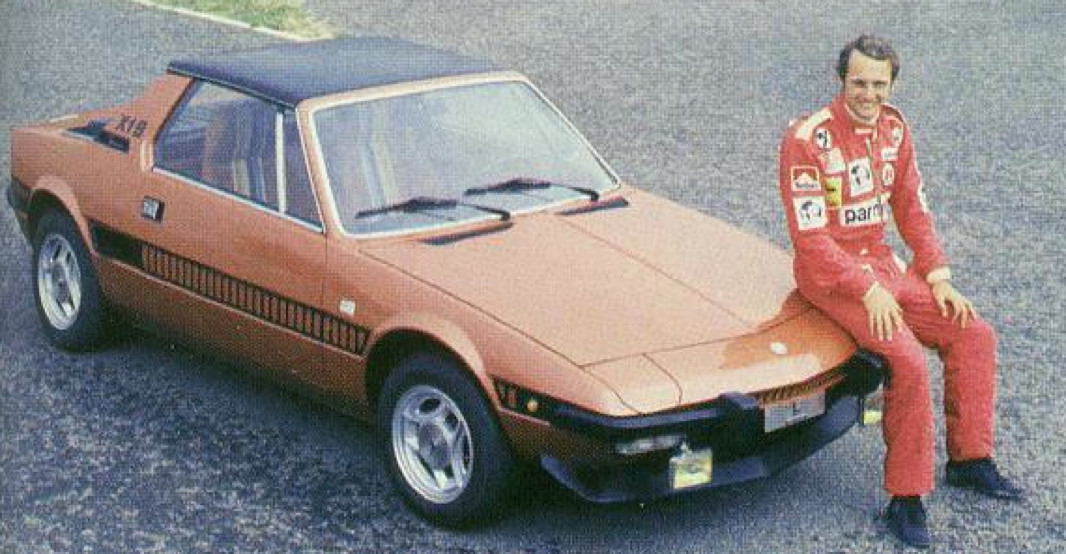
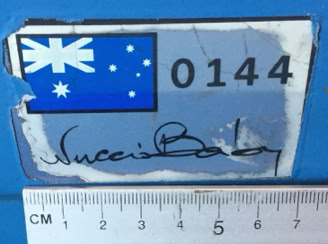
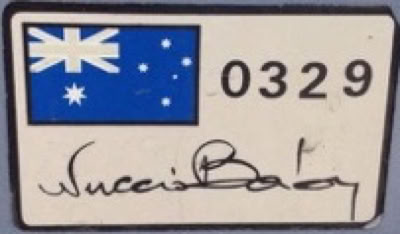
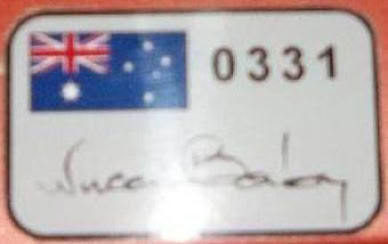
The Series Special also had individually numbered stickers placed on the passenger side, featuring the Australian flag and Bertone's signature. The correct placement is above the ladder stripes, as demonstrated in the Niki Lauda picture above.
Interestingly, many cars delivered in Tasmania have their stickers placed below the stripes. Stickers continued to be placed on later models too — some dealers had spares and put them on Series 1.5 and Series 2 cars. They are generally in order; you don't see low numbers on later series — those tend to be above 1000.
Series 1.5 — The Australian Hybrid (1979–1980)
The Series 1.5 was unique to the Australian market and is sometimes referred to as the hybrid model. These X1/9s were badged with compliance dates of 1979 and 1980. This version resembled the Series 2 with its large aluminium bumpers and modernised interior, but featured the 1.3 litre 4-speed engine from the Series 1.
For the rest of the world, vehicles within this VIN range were 1.5 litre 5-speed models.
The Series 1.5 had large aluminium bumpers with no holes for a number plate light, and the same side-mounted number plate lights in black as the Series 1 (though the Series 1 internal components were silver/cream, not black).
Series 2 (1981–1982)
The Series 2 brought the 1.5 litre 5-speed engine to Australia. From February 1982, the pillar logo changed to a new design that continued until the end of production.
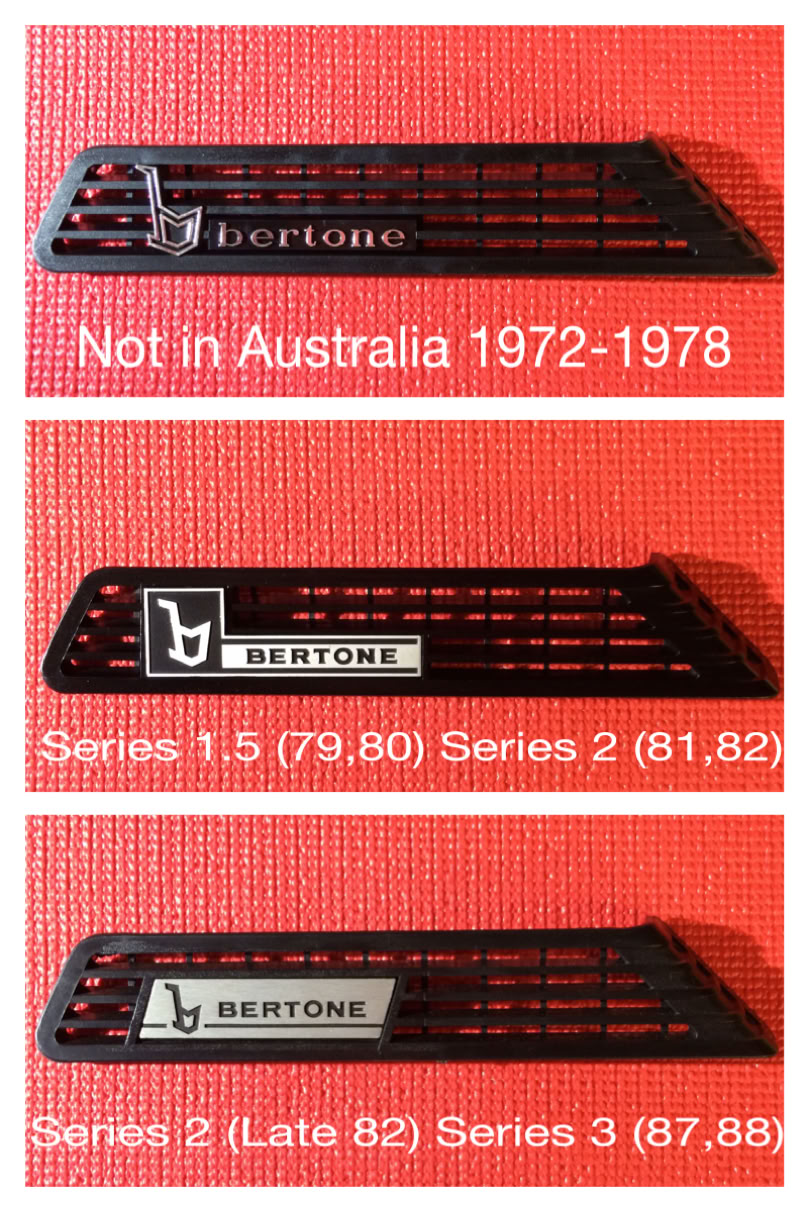
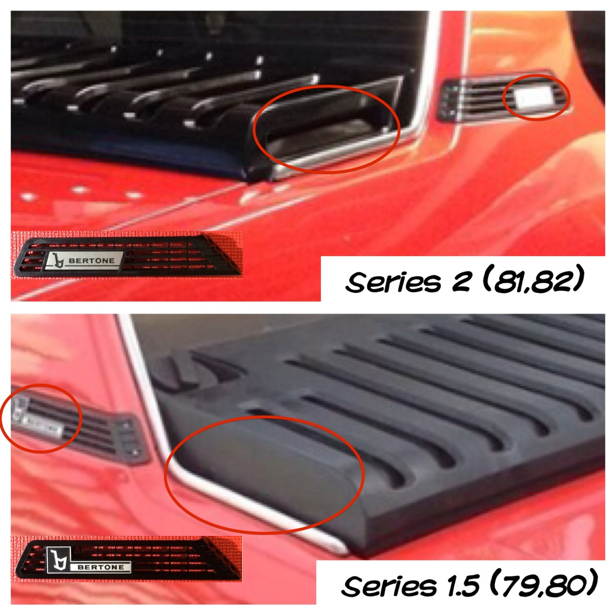
The engine lid on the Series 1.5 and 2 look the same, but the Series 2 had an extra vent on the passenger side of the engine bay lid. This was required for better airflow on fuel injection models (though we didn't get fuel injection in Australia until 1987).
Series 3 — The Bertone (1983–1989)
The final evolution was rebadged as the Bertone X1/9. It featured mirrors on both passenger and driver sides, the Bertone logo on the steering wheel, power windows as standard, and the Bertone signature on the glove box.
Feature Comparison Across All Series
Mirrors
Australian owners encountered two mirror types. The Series 1 came with black mirrors and legs on both sides. These also appeared in chrome with chrome leg, chrome with black leg, and gunmetal grey variations.
From the Series 1.5 (1979 onwards), the through-hole type mirror was fitted to the driver's side only. Interestingly, Australia was the first country in the world to receive this mirror type. The Series 3 featured mirrors on both sides.
Boot Emblem
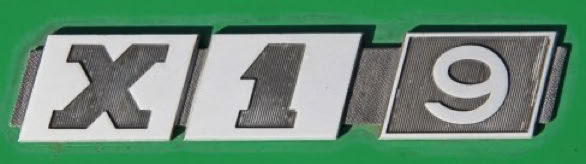
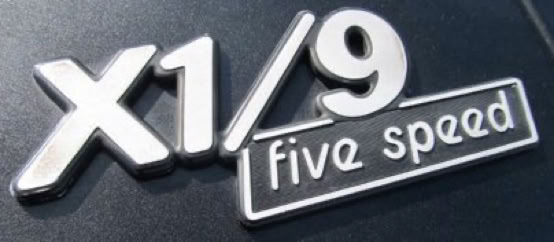
The Series 1 and 1.5 shared the same boot emblem. The "Five Speed" logo was only found on the Series 2. The Series 3 had no emblem in this location at all.
Glove Box
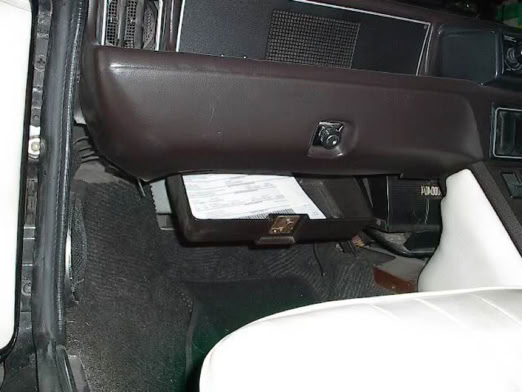
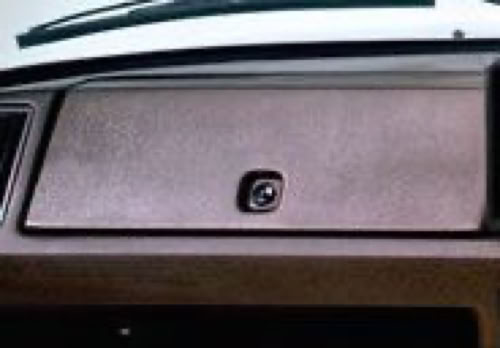
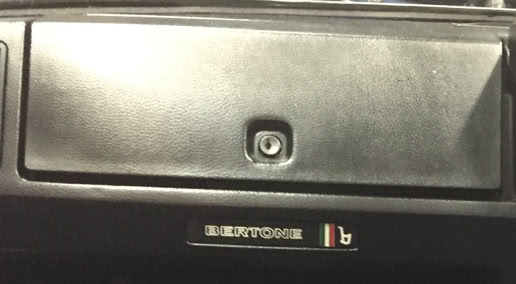
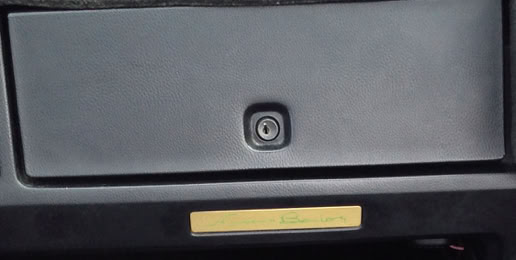
Australian Series 1 X1/9s never had a glove box — it didn't comply with ADR rules regarding legroom and obstructions. From the Series 1.5 onwards, a glove box was featured (plain). The Series 2 added a logo, and the Series 3 changed it to just a signature.
Front Boot Release
On the Series 1, models before VIN 128AS0090258 had the front boot release under the driver's left leg with a pull-down handle. This position was chosen because X1/9s were originally LHD only — this location would have been in the glove box, locked away.
A Fiat announcement on 24 August 1978 stated that the position and mechanism were changed to a lever next to the passenger's left leg, where it remained until the end of production.
Doors
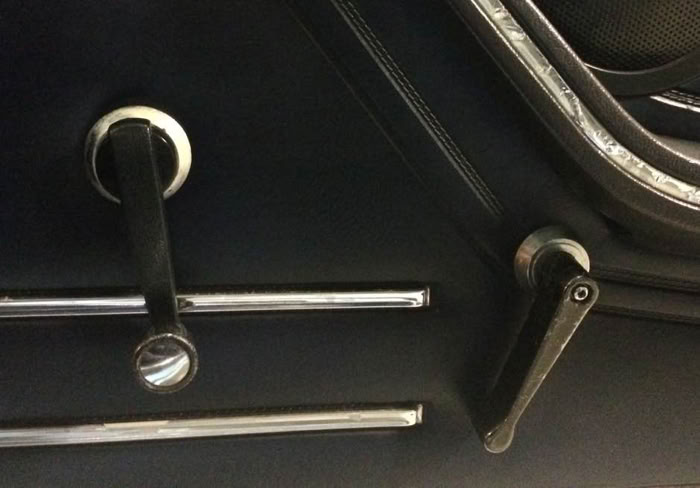
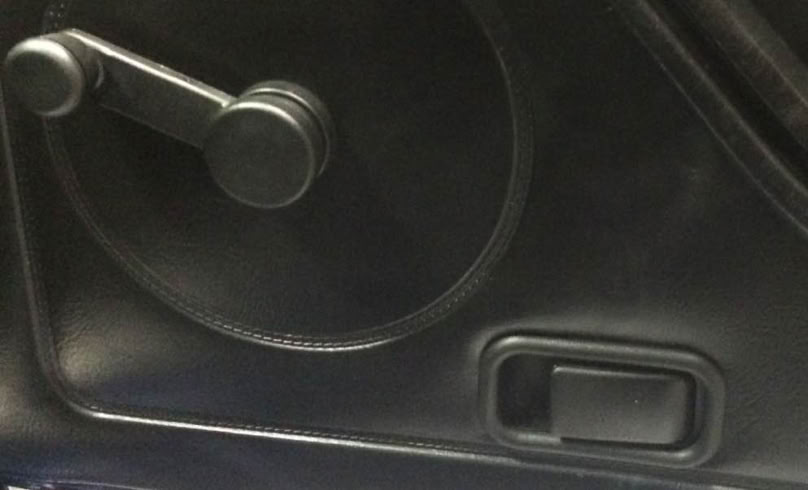
The doors look the same on the outside, but the Series 1 had different internal door handles and mechanisms with handles and window winder in different locations. If you're replacing a door, make sure you buy the correct one for your series.
Cooling System
The Series 1 had a stainless steel expansion tank, which is more reliable. From the Series 1.5 (1979) onwards, this was changed to a plastic expansion tank. These often split because the wrong cap is fitted, preventing pressure release. The correct cap is 13 lbs / 0.9 bar.
Centre Console
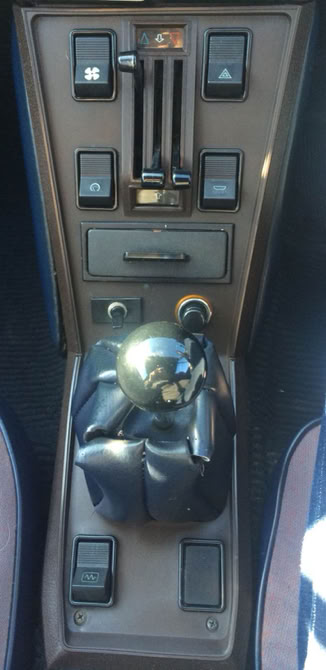
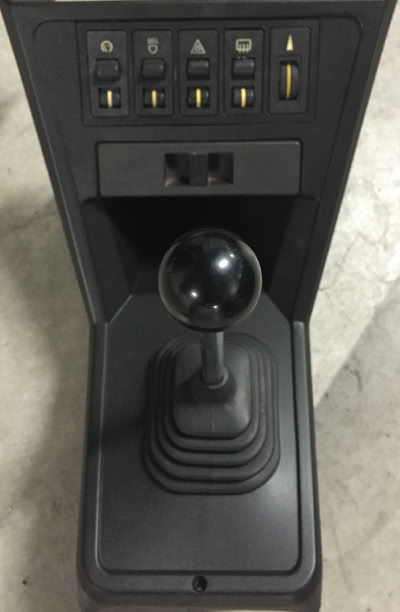
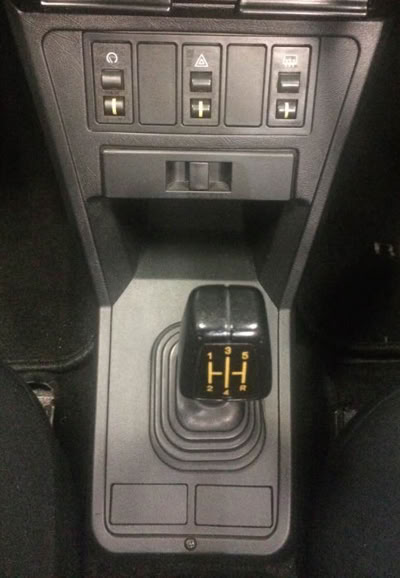
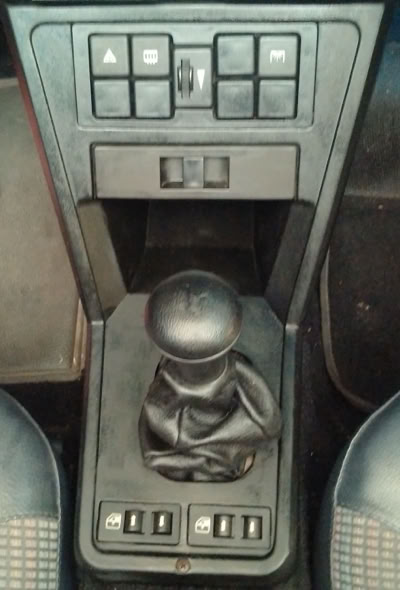
The centre console changed with each series, most significantly from Series 1 to Series 1.5. The Series 1 had all controls on the centre console and none on the dashboard (besides the pop-up headlights, which remained in the same position throughout all series).
Power Windows & Gear Knob
The Series 1 and 1.5 had no option for power windows. From the Series 2 onwards, the option existed but was never installed by dealers or factory for Australia — blanking plates and wiring were present and ready to use. All Series 3 models had power windows as standard.
The gear knob was the same on the Series 1 and 1.5, changed to an unusual shape that often broke apart on the Series 2, before the more practical design on the Series 3.
Steering Wheel
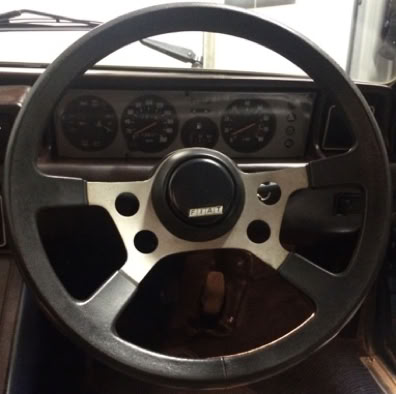
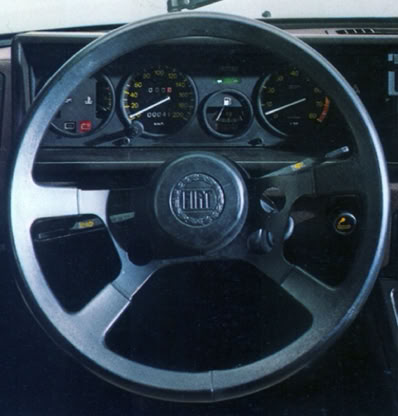
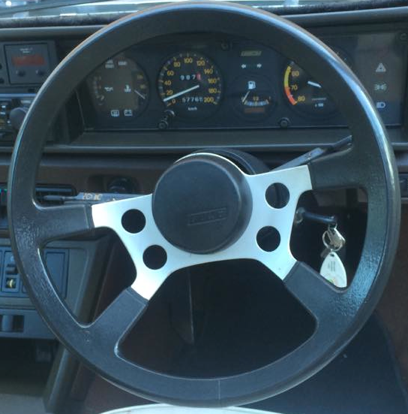
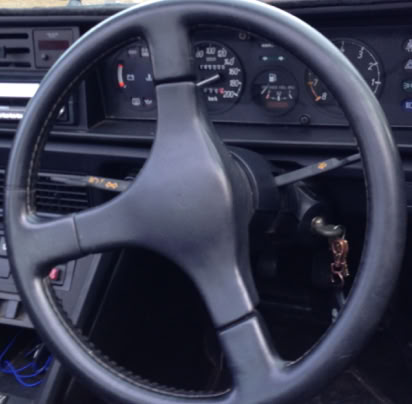
The Series 1 steering wheel looked similar to the Series 1.5 and 2, but the horn mechanism was different — they are not interchangeable without modification. The centre was silver on Series 1, black and silver on Series 1.5 and 2, with different Fiat logos. The Series 3 was a completely new design displaying the Bertone logo.